Energy transition in practice
The energy transition is taking place at every level of our economy and society in ever newer and more advanced forms, particularly in the following domains:
The energy transition is taking place at every level of our economy and society in ever newer and more advanced forms, particularly in the following domains:

Wind turbines and solar panels are popping up everywhere. Plenty of energy is also being generated from hydropower, which is a less visible source. More sustainable energy means less dependence on fossil fuels. Unfortunately, sun and wind cannot be regulated, which means that they are characterised by peaks (surplus) and valleys (temporary shortages). This situation is not ideal, and solutions have to be (further) developed.
Means of transport are heavily dependent on energy. That includes transport by road, by air, by water and by rail. These means still rely predominantly on fossil fuels. That has to change, and it will change. Ekinetix is involved in and working on the solutions.
Cars are increasingly running on electricity. One promising development is batteries that can store energy for a longer period, but their capacity is limited. Electric vehicles are well suited to travelling short distances, but they also have their drawbacks. Batteries are heavy and are difficult to recycle. Charging batteries is also time consuming and their range is relatively limited.
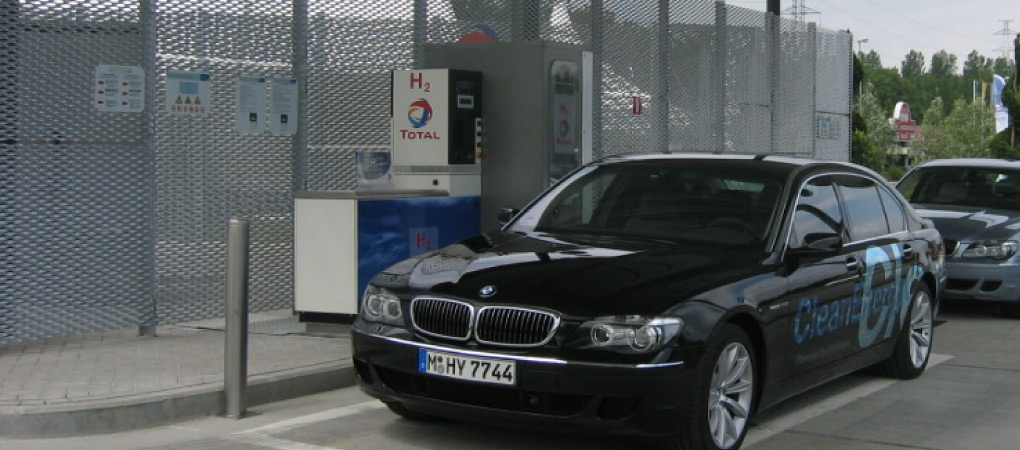
When used frequently, fuel cells have certain benefits over batteries. Hydrogen can be converted into electricity: 4 to 5 kilograms of hydrogen can offer a range of approximately 500 kilometres, and you can fill up your tank in a matter of minutes. You also don’t need batteries to be able to drive, which means that a vehicle is hundreds of kilos lighter. Hydrogen powered vehicles can also run 100% sustainable. Now that there are multiple electric car brands on the market, the future is looking bright. Fuel retail companies are seeking ways to sell sustainable energy (on the roadside).
It is reasonable to expect that consumers – commitment and access depending – will choose to buy battery-powered or hydrogen-powered vehicles.
Freight transport and buses still typically rely on diesel. Battery and hydrogen-based electrical energy are promising replacements in this regard as well. LNG is an up-and-coming transition fuel. Hundreds of heavy duty transport vehicles in the Netherlands have recently made the switch to LNG. From oil traders and companies to independent transport providers, businesses are increasingly reliant upon LNG for heavy duty transport. In the short term, LNG also means smaller environmental impact in terms of emissions and noise pollution.
Maritime shipping also uses fossil fuels. Projections suggest that LNG will become a fully realised replacement for traditional marine fuel. A number of inland navigation vessels, cruise ships and other types of boats have already been fitted with LNG equipment, and demand for waterside LNG bunker stations will continue to grow as a result.
in the long term. So-called “gas free neighbourhoods” are switching to electric heating. Homes are becoming “zero meter” households as new forms of energy, such as geothermal, solar and biogas from fermentation, replace older energy sources. Technology and logistics depending, large scale application of these forms of sustainable energy is promising.
Important industries such as chemical fertilizers, plastics and pharmaceuticals are high volume consumers of fossil fuels, and contribute considerably to climate change. New technologies are making it possible to move off the beaten path, for example by scaling up production of ammoniac (NH3) from H2 (electrolysis from solar and wind) and CH4 (methane from fermentation), or by making synthetic methane from H2 and CO2. This transition has already begun and will be essential for the future production of chemical fertilizer, goods, food stuffs and medication. In order to use carbon building blocks in a greener way in the chemical industry in the future, attention should be paid to biomass gasification into synthetic gas, be it combined with electrolysis for the necessary oxygen or not. In the field of chemistry, there are many developments at hand to make processes greener. Thanks to our speciality knowledge, Ekinetix is an outstanding partner for process technology.